
- Contact & Inquiry |
- 00852-69498254 |
- English
- pусский
- Deutsch
- English
- 中文(简体)
- 中文(繁体)
- 日本語
1186
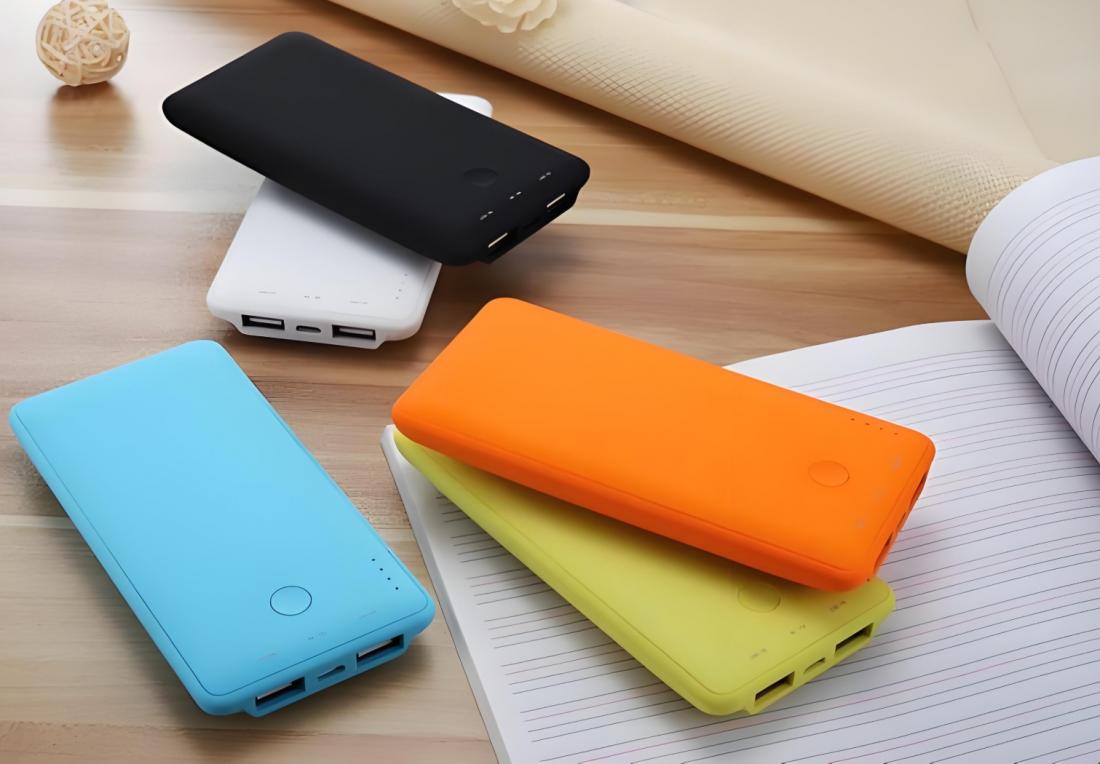
Recently, a storm of power bank recall caused by battery cell defects has swept the consumer electronics industry. The two leading brands of Roma and Anker Innovations have successively announced the recall of more than 2 million products, and the 3C certification of brands such as Greenlink and Baseus has been suspended simultaneously. According to the data of the State Administration for Market Regulation, more than 70 3C certification certificates of battery cells of the supplier Amprius involved were completely suspended, and the domino effect of the supply chain was triggered.
The fuse of the incident was that a number of colleges and universities issued a notice to ban Romax power bank, pointing out that there was a risk of explosion when charging, and then the company's self-inspection and regulatory intervention revealed deeper hidden dangers in the industrial chain. After investigation, it was found that the core of the problem pointed to the battery cell supplier Amprius (Wuxi) Co., Ltd. The company is a joint venture between Amprius and Wuxi Industrial Development Group, and is a leading enterprise in domestic consumer pouch batteries, supplying battery cells for mainstream brands such as Romas, Anker, Xiaomi, Greenlink, and Baseus. In this case, Amprius outsourced part of the cell production to a Jiangxi foundry, which illegally replaced the battery separator material, resulting in insulation failure and possibly a risk. In addition, Amprius mixed the problematic battery cells into the certified batch of the whole machine, avoiding testing and making it impossible for downstream brands to find hidden dangers through routine testing.
The crisis has exposed long-standing structural contradictions in the industry. The power bank market is highly involuted, the price war is fierce, and the products below 100 yuan are flooding the market, and the battery cells account for more than 50% of the cost of the whole machine, which has become the primary goal of manufacturers to reduce costs. Under the pressure of extremely low prices, some suppliers reduce costs by cutting corners or using recycled old battery cells, although Amprius is a leading supplier, but in order to win orders, it also adopts an aggressive pricing strategy, and after the profit margin is squeezed, the loss of control of the outsourcing link eventually leads to systemic risks.
This event had a profound impact on the electronic components industry. From the perspective of suppliers, as the largest supplier of pouch batteries in the field of power banks in China, Amprius supplies many well-known brands, and now the 3C certification of its products has been suspended or revoked, which has put the relevant brands in a difficult situation, highlighting the serious problems of electronic component suppliers in raw material changes and quality control. This also suggests that electronic component suppliers must establish a stricter reporting and quality control mechanism for raw material changes to ensure that the components provided meet the highest safety standards, otherwise they will face the risk of losing market share or even being eliminated.
In terms of quality control, this incident highlights the deficiencies of the power bank industry standard and testing and certification system, prompting relevant institutions and enterprises to pay more attention to the refinement and improvement of safety standards, and future industry standards may cover more stringent battery cell materials, performance and safety testing requirements. In terms of market structure, large-scale recalls will have an impact on the market share and brand image of the brands involved, which may lead to an accelerated reshuffle in the industry, while brands that focus on product quality and safety are expected to gain more market opportunities. At the same time, consumers have greatly increased their attention to the safety of power bank products, and they will be more cautious when buying power bank in the future, and tend to choose well-known brands and products with reliable quality assurance, which will promote the entire industry to pay more attention to product quality and safety performance, and promote the transformation of the industry from "price competition" to "quality competition".
The essence of this storm is actually the industry's collective reflection on the logic of "cost first". When Anker announced that it would invest 200 million yuan to build a battery cell testing laboratory, and when Xiaomi changed its supplier audit cycle from quarterly to monthly, the value chain of the electronics manufacturing industry was being reshaped. The regulator plans to introduce new regulations at the end of the year, requiring that battery cell material changes must be re-certified, and establish a supplier blacklist sharing mechanism, and consumers on social platforms spontaneously made "lightning protection list", as well as airport security checks on the power bank, all show that the market's demand for safety has become an irreversible trend. For the electronic components industry, the future development of the industry needs to be improved and upgraded from product quality, technological innovation, market norms and other aspects to meet new challenges and opportunities.
